Non-native plants this species can replace:
- Mimosa, Persian silk tree (Albizia julibrissin)
- Kousa dogwood (Cornus kousa)
- Siberian crabapple (Malus baccata)
- Japanese crabapple (Malus floribunda)
- Chinese crabapple (Malus hupehensis)
- Princess tree, Royal paulowina (Paulownia tomentosa)
- Sweet cherry (Prunus avium)
- Higan cherry (Prunus subhirtella)
- Callery pear, Bradford pear (Pyrus calleryana)
Common Name
Downy serviceberry
Shadbush
Plant Form
Shrubs & Small Trees
Duration
Perennial
Max Height (ft)
25.0
Width (ft)
10.0 -
15.0
Growth Rate
Slow
Region
Coastal
Piedmont
Mountain
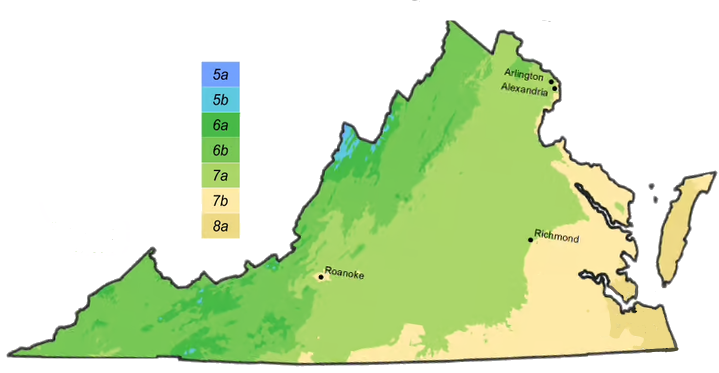
Hardiness Zone
5,
6,
7,
8,
9
Commercially Available
Nurseries that may carry live plant:
My Native Garden
Put together a printable/downloadable list of plants that you have in your garden.


Additional Info
Habitat: In a wide range of mesic to dry upland forests, woodlands, and barrens; occasionally in alluvial forests, seepage wetlands, and depression swamps; tolerant of a wide range of soil chemistries. The ecological amplitude of this species is likely due to the incorporation of several ploidy levels and microspecies. Common throughout Virginia
Wildlife Value: This plant supports Red-spotted Purple (Limenitis arthemis astyanax) and Viceroy (Limenitis archippus) larvae. Pollinators and insects nectar at the blooms and gather pollen in early spring. Fruits are eaten by songbirds, small and large mammals.
Note: Weedy
Flower Color
Cream/White
Flower Prominence
Conspicuous
Fragrant
Yes
Bloom Time
Spring
Early Summer
Late Summer
Bloom Month
May
June
July
August
Fall Color
Burgandy/Red
Gold/Yellow
Orange
Light Requirements
Full sun
Partial sun
Moisture Requirements
Moist
Average
Soil Texture
Clay
Loamy
Sandy
Low Maintenance
Yes
Deer Resitant
Yes
Seed or Fruit eaten by wildlife?
Yes
Pollinators
Bees
Butterfiles
Top 30 for Butterfly and Moth Caterpillars?
Yes
Number of Lepidotera Species Genus Supports
92
Tolerates