Common Name
Eastern red columbine
Wild columbine
Plant Form
Herbs
Duration
Perennial
Max Height (ft)
3.0
Width (ft)
1.5
Region
Coastal
Piedmont
Mountain
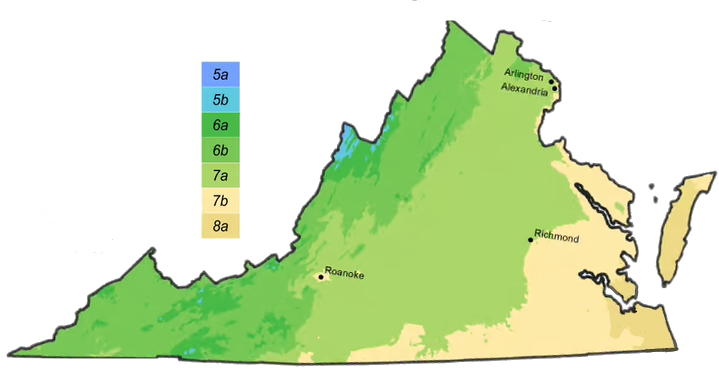
Hardiness Zone
5,
6,
7,
8
Commercially Available
Nurseries that may carry live plant:
Nurseries that may carry seeds:
My Native Garden
Put together a printable/downloadable list of plants that you have in your garden.
Additional Info
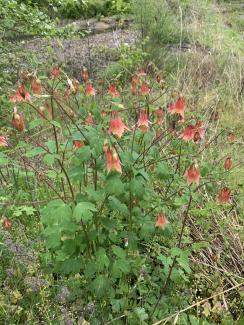
Habitat: Dry forests, woodlands, barrens, and rock outcrops throughout; shell-marl slopes, bluffs, and shell middens in the Coastal Plain. Although most numerous on subcalcareous, calcareous, and mafic substrates, in the higher mountains it is more tolerant of acidic soils and varied habitats, including mesic to dry-mesic forests, meadows, and roadsides. Common in the Virginia mountains, frequent in the Piedmont, infrequent in the Coastal Plain.
Wildlife Value: Provides nectar to bumblebees, butterflies, hummingbirds and other pollinators. Duskywing Caterpillar and Husk Moths. The seeds may be eaten by songbirds.
Flower Color
Red/burgandy
Gold/Yellow
Pink
Flower Prominence
Conspicuous
Bloom Time
Spring
Bloom Month
March
April
May
Ground Cover
Yes
Light Requirements
Partial sun
Moisture Requirements
Moist
Average
Soil Texture
Clay
High organic matter
Loamy
Sandy
Deer Resitant
Yes
Seed or Fruit eaten by wildlife?
Yes
Pollinators
Bees
Butterfiles
Hummingbirds