Non-native plants this species can replace:
Common Name
Butterfly milkweed
Butterfly weed
Butterfly-weed
Common butterfly weed
Common butterfly-weed
Plant Form
Herbs
Duration
Perennial
Max Height (ft)
3.0
Width (ft)
1.0 -
2.0
Growth Rate
Slow
Region
Coastal
Piedmont
Mountain
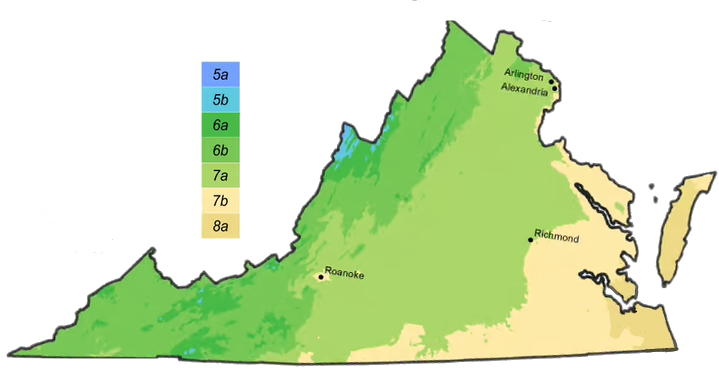
Hardiness Zone
5,
6,
7,
8,
9
Rabbit resistant
Yes
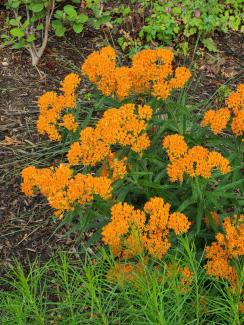
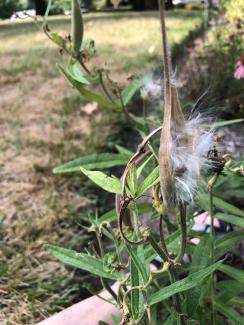
Habitat
Found in dry, rocky open woods, glades, prairies, fields, and roadsides
Wildlife value
The flowers are a nectar source for many butterflies and insect pollinators. The plant is a larval host plant for monarch, gray hairstreak, queen, and milkweed tussock moth caterpillars
High Value Generalist
Earth Sangha lists this plant as a "High Value Generalist" because it is easy to grow, occurs across a wide range of habitats and is known to be of high value to wildlife
Poisonous to Humans:
Poison Severity:
Low
Poison Symptoms:
Can cause stomach upset, nausea, vomiting, abdominal pain, diarrhea, weakness, lethargy, and confusion if eaten in quantity. Sap can cause contact dermatitis and eye irritation
Causes Contact Dermatitis:
Yes
Poison Part:
Flowers, Fruits, Leaves, Roots, Sap Juice, Stems
Also a Problem For:
Dogs and Horses
Flower Color
Red/burgandy
Gold/Yellow
Orange
Flower Prominence
Conspicuous
Bloom Time
Spring
Early Summer
Late Summer
Bloom Month
May
June
July
August
Light Requirements
Full sun
Partial sun
Moisture Requirements
Moist
Average
Soil Texture
Clay
Loamy
Sandy
Shallow rocky
Low Maintenance
Yes
Deer Resitant
Yes
Pollinators
Bees
Butterfiles
Hummingbirds
Monarchs
Commercially available
Yes
Nurseries that may carry live plant
Carries Seeds (may not be available)
My Native Garden
Put together a printable/downloadable list of plants that you have in your garden.
Additional links