- Princess tree, Royal paulowina (Paulownia tomentosa)
- Callery pear, Bradford pear (Pyrus calleryana)
Commercially Available
My Native Garden
Put together a printable/downloadable list of plants that you have in your garden.
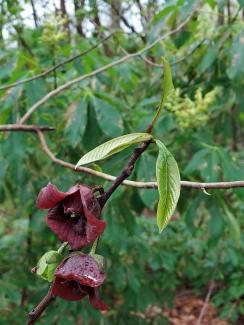
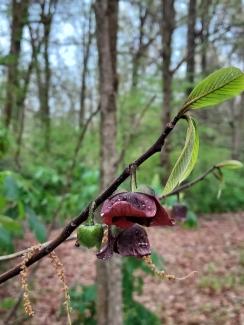
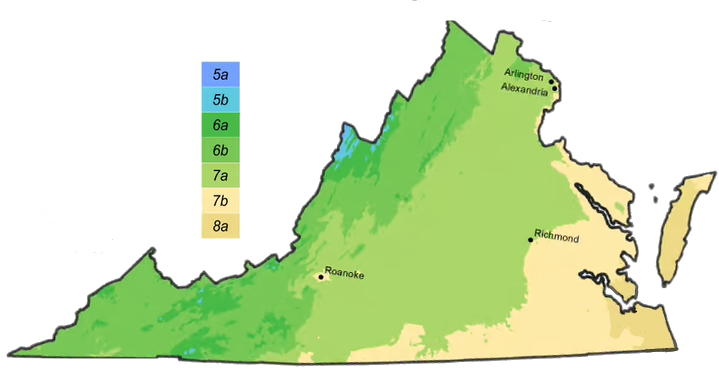
Well-drained floodplain forests, mesic to occasionally dry upland forests, wet flatwoods, and swamp hummocks. Common in the Virginia Coastal Plain and Piedmont; widespread but more local and limited to low elevations in the mountains.
Its flowers are pollinated by flies and beetles. Its fleshy fruits are eaten by songbirds, wild turkeys, squirrels, raccoons, opossums, black bears, and foxes. Pawpaws are larval host plants for the Zebra Swallowtail (Eurytides marcellus). Adult Zebra Swallowtail butterflies also feed on flower nectar from milkweed, blueberries, blackberries, lilacs, redbuds, verbenas, and dogbane
Have a foul odor as they are pollinated by flies
Stomach and intestinal pain from eating the fruit skin or seeds. Skin irritation from handling fruit. Do not consume leaves or stems