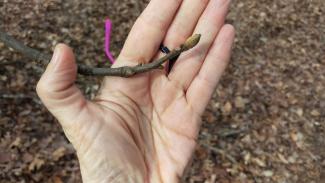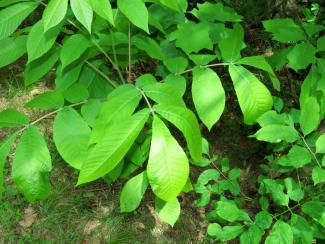
Carya tomentosa (Native)

Common Name
Mockernut hickory
Plant Form
Large Trees
Duration
Perennial
Max Height (ft)
80.0
Width (ft)
40.0 - 60.0
Growth Rate
Slow
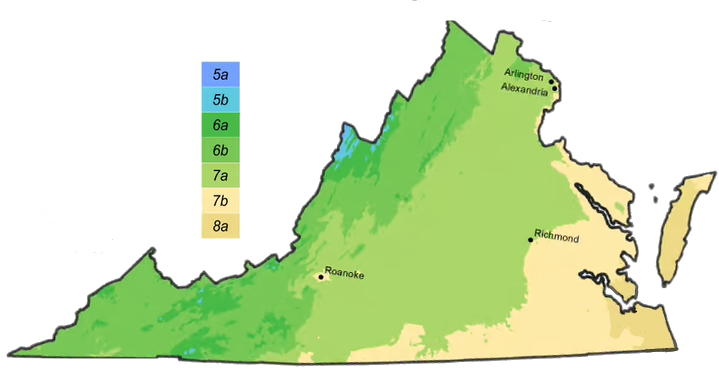
Region
Coastal
Piedmont
Mountain
Hardiness Zone
5, 6, 7, 8, 9

Photographer: lynnparsons
Licensed under: CC BY-NC 4.0
Original photo: Original photo

Photographer: peggyo
Licensed under: CC BY-NC 4.0
Original photo: Original photo

Additional Info

Habitat: Mesic to dry upland forests and woodlands; tolerant of a range of soil chemistries, occurring widely on base-rich to extremely infertile substrates; ascends to about 1070 m (3500 ft) elevation in the mountains. Common throughout Virginia

Wildlife Value: Host plant for Banded Hairstreak (Satyrium calanus) larvae.  This is a larval host plant for butterflies and moths. It also supports Hickory Horndevil (Citheronia regalis). The nuts are eaten by squirrels, chipmunks and black bears. Fruit is consumed by wood ducks, red-bellied woodpeckers, red fox, squirrels, beaver, eastern cottontail, eastern chipmunk, turkey, white-tailed deer, wild turkey, and white-footed mice. Provide cavities for woodpeckers, black ratsnake, raccoons, and carolina chickadees

Note: Messy

High Value Generalist
Earth Sangha lists this plant as a "High Value Generalist" because it is easy to grow, occurs across a wide range of habitats and is known to be of high value to wildlife

Flower Color
Gold/Yellow
Green
Flower Prominence
Reduced
Bloom Time
Spring
Bloom Month
April
May
Fall Color
Gold/Yellow
Light Requirements
Full sun
Partial sun
Moisture Requirements
Moist
Average
Soil Texture
High organic matter
Deer Resitant
Yes
Seed or Fruit eaten by wildlife?
Yes
Pollinators
Butterfiles
Commercially available
Yes
Nurseries that may carry live plant

My Native Garden

Put together a printable/downloadable list of plants that you have in your garden.