Non-native plants this species can replace:
- Nandina, Heavenly bamboo (Nandina domestica)
Common Name
Common st. john's-wort
Shrubby st. john's wort
Plant Form
Shrubs & Small Trees
Duration
Perennial
Max Height (ft)
5.0
Width (ft)
1.0 -
4.0
Growth Rate
Slow
Region
Coastal
Piedmont
Mountain
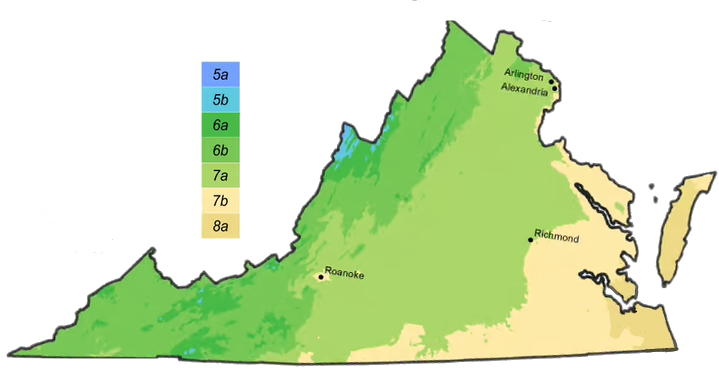
Hardiness Zone
5,
6,
7,
8
Commercially Available
Nurseries that may carry live plant:
Nurseries that may carry seeds:
My Native Garden
Put together a printable/downloadable list of plants that you have in your garden.
Habitat
Dry, open forests, rocky woodlands, barrens, clearings, riverside prairies and outcrops; also in rich floodplain forests, mafic and calcareous fens, and interdune swales. Frequent in the Virginia mountains and Piedmont; infrequent to rare in the Coastal Plain
Wildlife value
Fruits attract birds
High Value Generalist
Earth Sangha lists this plant as a "High Value Generalist" because it is easy to grow, occurs across a wide range of habitats and is known to be of high value to wildlife
Poisonous to Humans:
Poison Severity:
Medium
Poison Symptoms:
Skin contact with the sap, or ingestion of the plant, can cause photosensitivity in some people. Common side-effects are gastointestinal disturbances, allergic reactions and fatigue
Causes Contact Dermatitis:
Yes
Poison Part:
Leaves, Sap Juice
Flower Color
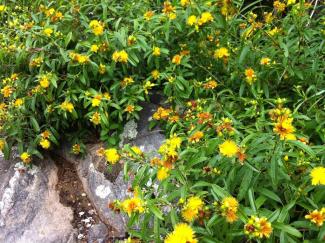
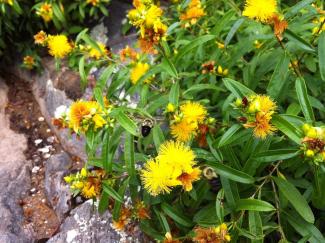
Gold/Yellow
Flower Prominence
Conspicuous
Bloom Time
Early Summer
Late Summer
Fall
Bloom Month
June
July
August
September
Light Requirements
Full sun
Partial sun
Moisture Requirements
Moist
Average
Soil Texture
Clay
Loamy
Sandy
Low Maintenance
Yes
Seed or Fruit eaten by wildlife?
Yes
Pollinators
Bees
Butterfiles
Tolerates