Non-native plants this species can replace:
- Japanese barberry, Barberry (Berberis thunbergii)
- Butterfly bush, Summer lilac (Buddleia davidii)
- Winged euonymus, Burning bush (Euonymus alatus)
- Nandina, Heavenly bamboo (Nandina domestica)
- Japanese spiraea (Spiraea japonica)
Common Name
Virginia sweetspire
Virginia-willow
Plant Form
Shrubs & Small Trees
Duration
Perennial
Max Height (ft)
8.0
Width (ft)
3.0 -
6.0
Growth Rate
Medium
Region
Coastal
Piedmont
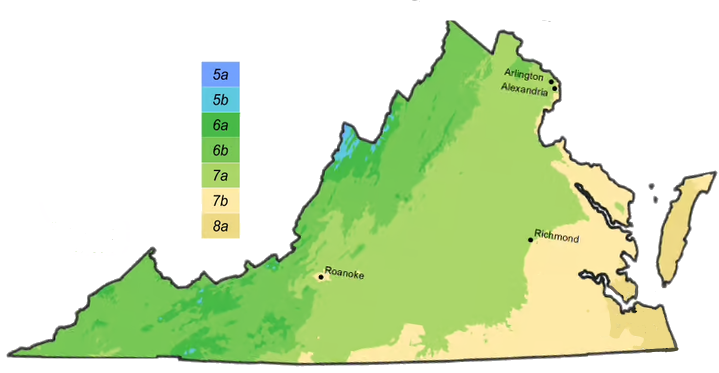
Hardiness Zone
5,
6,
7,
8,
9
Commercially Available
My Native Garden
Put together a printable/downloadable list of plants that you have in your garden.


Additional Info
Habitat: Swamp forests (tidal, alluvial, nonriverine, and maritime), wet flatwoods, depression ponds, seeps and seepage swamps, acidic floodplain forests, and stream banks. Common in the Virginia Coastal Plain; rare in the outer Piedmont.
Wildlife Value: Flowers attract butterflies and other pollinators. Seeds are eaten by songbirds.
Notes: Semi-evergreen. Showy flowers. Can be weedy
Flower Color
Cream/White
Flower Prominence
Conspicuous
Bloom Time
Spring
Early Summer
Bloom Month
May
June
Fall Color
Brown/Copper
Gold/Yellow
Green
Orange
Light Requirements
Partial sun
Shade
Moisture Requirements
Moist
Average
Soil Texture
High organic matter
Deer Resitant
Yes
Seed or Fruit eaten by wildlife?
Yes
Pollinators
Bees
Butterfiles