Non-native plants this species can replace:
- Purple loosestrife (Lythrum salicaria)
Common Name
Cardinal flower
Indian pink
Plant Form
Herbs
Duration
Perennial
Max Height (ft)
5.0
Width (ft)
1.0 -
2.0
Region
Coastal
Piedmont
Mountain
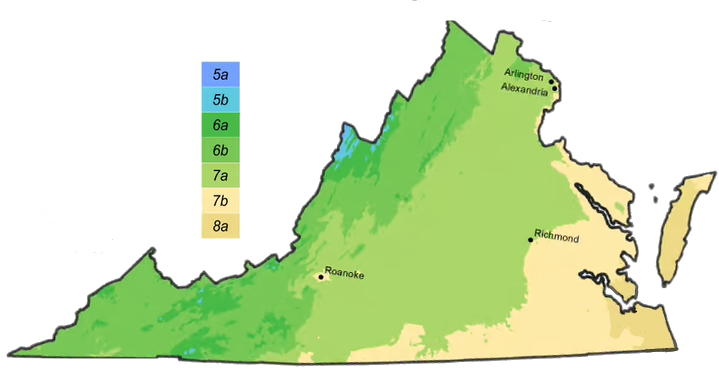
Hardiness Zone
5,
6,
7,
8,
9
Commercially Available
Nurseries that may carry live plant:
Nurseries that may carry seeds:
My Native Garden
Put together a printable/downloadable list of plants that you have in your garden.
Habitat
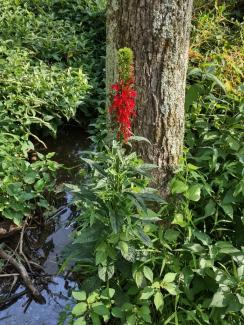
Floodplain forests, alluvial swamps, seepage swamps, maritime swamps, tidal swamps, tidal freshwater and oligohaline marshes, wet meadows, ditches, and low roadsides. Frequent throughout Virginia
Wildlife value
Its flowers are attractive to hummingbirds, butterflies and other pollinators
Gardening tips
Leave old flower spikes to help with reseeding for more bloom next year
High Value Generalist
Earth Sangha lists this plant as a "High Value Generalist" because it is easy to grow, occurs across a wide range of habitats and is known to be of high value to wildlife
Poisonous to Humans:
Poison Severity:
Medium
Poison Symptoms:
TOXIC ONLY IF LARGE QUANTITIES EATEN. Nausea, depression, vomiting, diarrhea, salivation, exhaustion and weakness, dilation of pupils, convulsions, and coma, abdominal pain, heart rhythm disturbances
Causes Contact Dermatitis:
No
Poison Part:
Flowers, Fruits, Leaves, Roots, Sap Juice, Seeds, Stems
Also a Problem For:
Dogs and Horses
Flower Color
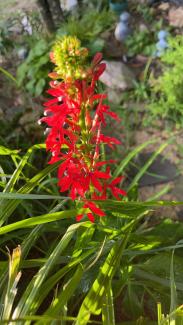
Red/burgandy
Pink
Flower Prominence
Conspicuous
Bloom Time
Late Summer
Fall
Bloom Month
July
August
September
Light Requirements
Full sun
Partial sun
Moisture Requirements
Moist
Wet
Soil Texture
High organic matter
Low Maintenance
Yes
Pollinators
Bees
Butterfiles
Hummingbirds
Tolerates
Additional links