Non-native plants this species can replace:
- Japanese privet, Wax-leaf privet (Ligustrum japonicum)
- Yellowgroove bamboo (Phyllostachys aureosulcata)
Common Name
Wax myrtle
Southern bayberry
Plant Form
Medium Trees
Duration
Perennial
Max Height (ft)
20.0
Growth Rate
Fast
Region
Coastal
Piedmont
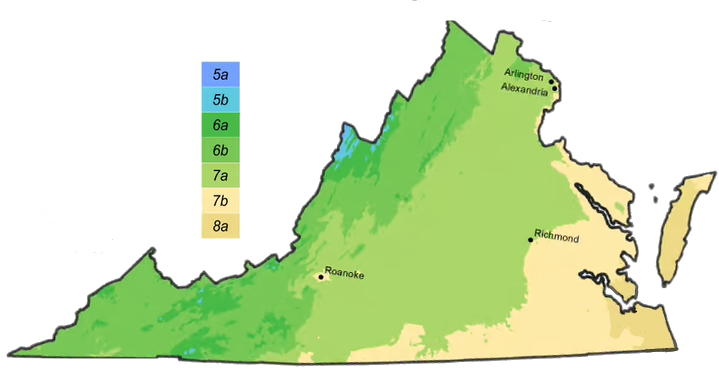
Hardiness Zone
7,
8,
9
Commercially Available
Nurseries that may carry live plant:
My Native Garden
Put together a printable/downloadable list of plants that you have in your garden.
Additional Info
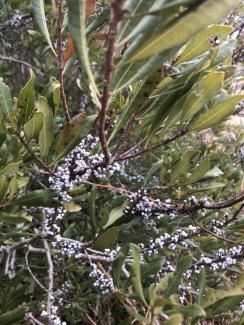
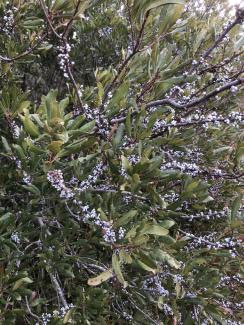
Interdune swales, maritime swamps, dune scrub, dune woodlands, maritime upland forests, mesic sandhill woodlands, depression ponds, seepage swamps, tidal swamps, mesic hardwood and successional pine-hardwood forests. Common in the coastal Plain; rare in the outer piedmont.
Wildlife value: Provides excellent winter and extreme weather cover. It is a host plant for the Red-Banded Hairstreak butterfly. Flowers provide an excellent source of nectar for honeybees and butterflies. The fruits are eaten by birds, especially yellow-rumped warbler (which are very efficient at digesting the waxy fruits) in the fall and winter.
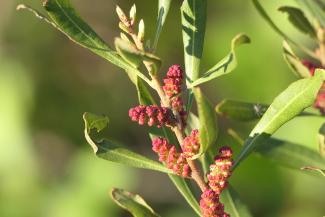
Flower Color
Gold/Yellow
Green
Flower Prominence
Conspicuous
Bloom Time
Spring
Bloom Month
April
Evergreen
Yes
Light Requirements
Full sun
Partial sun
Shade
Moisture Requirements
Wet
Moist
Dry
Average
Soil Texture
Sandy
Deer Resitant
Yes
Seed or Fruit eaten by wildlife?
Yes
Pollinators
Bees
Butterfiles
Additional links