Non-native plants this species can replace:
- Winter creeper, Wintercreeper (Euonymus fortunei)
- Lesser celandine, Fig buttercup (Ficaria verna)
- English ivy, Common ivy (Hedera helix)
- Creeping liriope (Liriope spicata)
- Japanese pachysandra, Japanese spurge (Pachysandra terminalis)
- Periwinkle (Vinca minor)
Common Name
Golden ragwort
Heartleaf ragwort
Golden groundsel
Plant Form
Herbs
Duration
Perennial
Max Height (ft)
2.5
Width (ft)
0.5 -
1.5
Growth Rate
Medium
Region
Coastal
Piedmont
Mountain
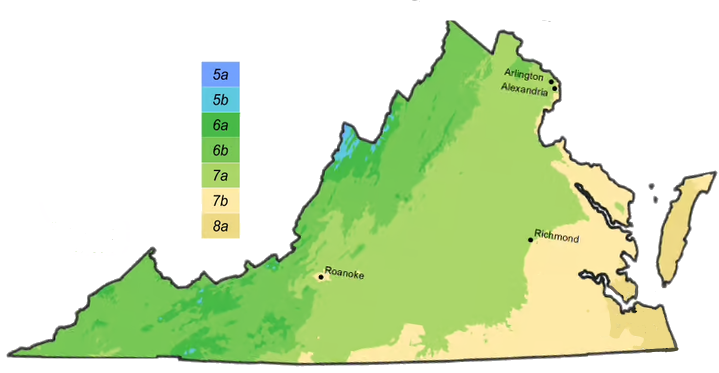
Hardiness Zone
5,
6,
7,
8
Commercially Available
Nurseries that may carry live plant:
Nurseries that may carry seeds:
My Native Garden
Put together a printable/downloadable list of plants that you have in your garden.


Habitat
Floodplain forests, mesic to occasionally dry-mesic upland forests, seepage swamps, fens, seeps, stream banks, tidal swamps, and moist meadows. Frequent to common in the Virginia mountains and Piedmont; infrequent in the Coastal Plain
Wildlife value
The blooms are attractive to butterflies, bees, and other insect pollinators. and seeds attract birds. The foliage is one of the few larval food sources for the northern metalmark butterfly
Gardening tips
Semi-evergreen. Weedy. Hardy groundcover
Poisonous to Humans:
Poison Severity:
Low
Poison Symptoms:
Liver toxicity; skin irritation following contact
Causes Contact Dermatitis:
Yes
Poison Part:
Leaves
Flower Color
Gold/Yellow
Flower Prominence
Conspicuous
Bloom Time
Spring
Early Summer
Late Summer
Ground Cover
Yes
Light Requirements
Full sun
Partial sun
Moisture Requirements
Wet
Moist
Soil Texture
High organic matter
Loamy
Seed or Fruit eaten by wildlife?
Yes
Pollinators
Bees
Butterfiles
Tolerates