- Norway maple (Acer platanoides)
Commercially Available
My Native Garden
Put together a printable/downloadable list of plants that you have in your garden.


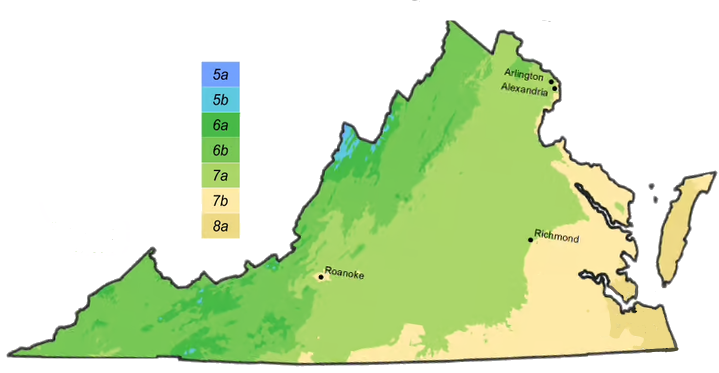
Well-drained, fertile floodplain forests, alluvial swamps, rich mesic upland forests, dry-mesic to dry forests and woodlands over calcareous and mafic rock. Infrequent in the mountains and piedmont; rare in the coastal Plain; locally common in some Ridge and Valley limestone districts.
Oak trees support a wide variety of Lepidopteran. You may see Imperial Moth (Eacles imperialis), Banded Hairstreak (Satyrium calanus), Edward's Hairstreak (Satyrium edwardsii), Gray Hairstreak (Strymon melinus), White-M Hairstreak (Parrhasius m-album), Horace’s Duskywing (Erynnis horatius) and Juvenal’s Duskywing (Erynnis juvenalis) larvae. Acorns are eaten by woodpeckers, blue jays, ducks, small mammals, wild turkeys, white-tailed deer, and black bears.
Abdominal pain, constipation then diarrhea (occasionally bloody), depression, frequent urination, discolored urine, jaundice; acorns can obstruct the digestive tract