Non-native plants this species can replace:
- Common daylily (Hemerocallis fulva)
Common Name
Gloriosa daisy
Black eyed susan
Black-eyed susan
Plant Form
Herbs
Duration
Annual
Biennial
Max Height (ft)
4.0
Width (ft)
1.0 -
2.0
Growth Rate
Fast
Region
Coastal
Piedmont
Mountain
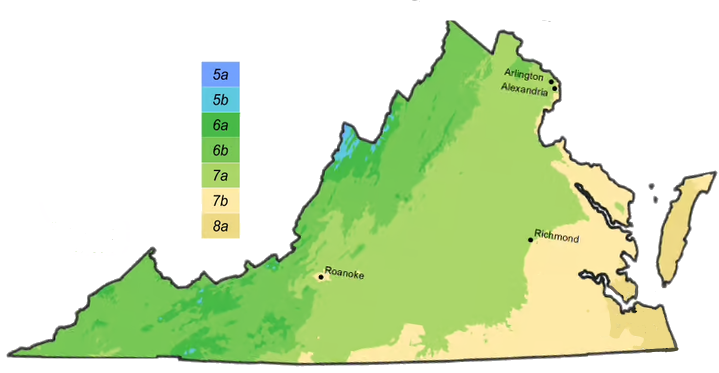
Hardiness Zone
5,
6,
7,
8
Rabbit resistant
Yes
Commercially Available
Nurseries that may carry live plant:
Nurseries that may carry seeds:
My Native Garden
Put together a printable/downloadable list of plants that you have in your garden.


Habitat
Generally weedy, in fields, pastures, roadsides, and clearings. Common throughout Virginia
Wildlife value
Butterflies attracted to nectar at the flowers.This plant provides nectar for pollinators. It is a larval host plant to Wavy-lined Emerald and to Silvery Checkerspot. American goldfinches, eat the seeds in the fall
Gardening tips
With deadheading blooming will continue into the middle of fall. Cut low for winter after birds have eaten their seeds
High Value Generalist
Earth Sangha lists this plant as a "High Value Generalist" because it is easy to grow, occurs across a wide range of habitats and is known to be of high value to wildlife
Flower Color
Red/burgandy
Gold/Yellow
Orange
Flower Prominence
Conspicuous
Bloom Time
Late Summer
Fall
Bloom Month
May
June
July
August
Fall Color
Brown/Copper
Light Requirements
Full sun
Partial sun
Moisture Requirements
Moist
Soil Texture
Clay
Loamy
Sandy
Low Maintenance
Yes
Good Choice for Public Spaces
Yes
Deer Resitant
Yes
Seed or Fruit eaten by wildlife?
Yes
Pollinators
Bees
Butterfiles
Monarchs
Number of Lepidotera Species Genus Supports
20
Top 30 for Pollen Specialist Bees?
Yes
Number of Pollen Specialist Bees that Rely on this Genus
29
Additional links