Commercially Available
My Native Garden
Put together a printable/downloadable list of plants that you have in your garden.
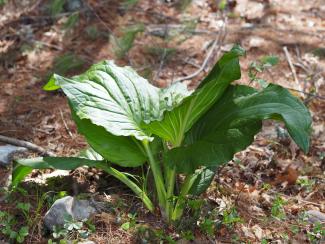
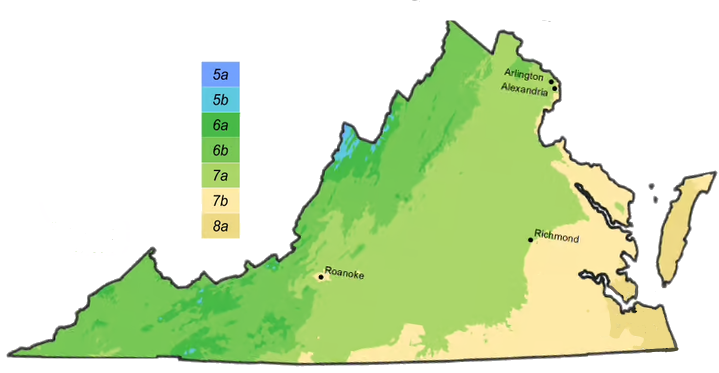
Seepage swamps, seeps, bogs, fens, and saturated floodplains; found in a range of soil chemistries but restricted to habitats with abundant groundwater discharge. Frequent throughout Virginia, except on the outer Coastal Plain and in far southwestern Virginia; often abundant where found
Warm refuge for insects in early spring. The carrion-like scent of the flowers attracts flies that lay their eggs in the flower and inadvertently cause cross-pollination. Slugs and snails occasionally feed on the foliage, while spiders take up residence inside the spathe to ambush visiting insects. Wood ducks, ruffed grouse, ring-necked pheasants, and bobwhite quail eat skunk cabbage seeds
Burning and swelling of the lips, tongue, and throat. Nausea, excessive drooling, vomiting (not horses), difficulty swallowing, and diarrhea may also occur