My Native Garden
Put together a printable/downloadable list of plants that you have in your garden.


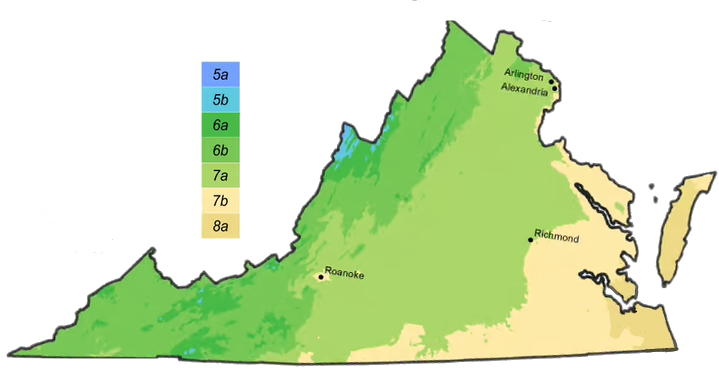
Mesic to dry-mesic upland forests and seepage swamps; typically favors coves, protected stream bottoms, and other sites with cool microclimates; east of the mountains, it is mostly confined to sheltered, north-facing, stream-fronting bluffs and steep slopes. Common in the Virginia mountains; infrequent in the Piedmont; rare in the Coastal Plain
It provides winter and extreme weather coverage. Red crossbills and small mammals eat the seeds. Ruffled grouse eat the buds and white-tailed deer browse the foilage in winter. It is an important thermal cover component along streams for amphibians and fish. It also provides cover and shelter for turkey and white-tailed deer
Most Virginia hemlock populations have suffered extensive defoliation and mortality from outbreaks of the introduced insect pathogen, hemlock woolly adelgid (Adelges tsugae); intact hemlock stands and healthy, large individuals are now rare