Non-native plants this species can replace:
- Butterfly bush, Summer lilac (Buddleia davidii)
- Autumn olive (Elaeagnus umbellata)
- Winged euonymus, Burning bush (Euonymus alatus)
- Japanese privet, Wax-leaf privet (Ligustrum japonicum)
- Chinese privet (Ligustrum sinense)
- Leatherleaf holly, Leatherleaf mahonia (Mahonia bealei)
- Linden arrow-wood, Linden viburnum (Viburnum dilatatum)
- Viburnum lantana
- Crampbark (Viburnum opulus)
- Viburum sieboldii
Common Name
Southern wild raisin
Possum-haw
Possum-haw viburnum
Plant Form
Shrubs & Small Trees
Duration
Perennial
Max Height (ft)
12.0
Width (ft)
5.0 -
12.0
Growth Rate
Medium
Region
Coastal
Piedmont
Mountain
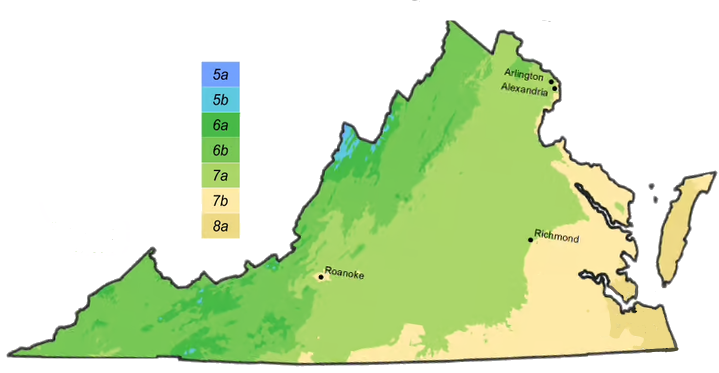
Hardiness Zone
5,
6,
7,
8,
9
Commercially Available
My Native Garden
Put together a printable/downloadable list of plants that you have in your garden.

Habitat
Seepage swamps, bogs, sea-level fens, wet flatwoods, tidal swamps, and maritime swamps, usually in strongly to extremely acidic soils; in alluvial bottomlands, usually restricted to headwater swamps with organic-rich, nutrient-poor soils. Frequent in the Virginia Coastal Plain and Piedmont; rare in the mountains
Wildlife value
It is a potential host plant for the Spring Azure butterfly and hummingbird clearwing moths. Its fruits are eaten by songbirds, grouse, wild turkeys and squirrel. Its twigs and leaves are browsed by white-tailed deer
Flower Color
Cream/White
Flower Prominence
Conspicuous
Fragrant
Yes
Bloom Time
Spring
Bloom Month
April
May
Light Requirements
Full sun
Partial sun
Moisture Requirements
Moist
Average
Soil Texture
Clay
Loamy
Sandy
Low Maintenance
Yes
Seed or Fruit eaten by wildlife?
Yes
Pollinators
Bees
Butterfiles