Common Name
Black birch
Sweet birch
Plant Form
Large Trees
Duration
Perennial
Max Height (ft)
70.0
Width (ft)
35.0 -
45.0
Growth Rate
Fast
Region
Coastal
Piedmont
Mountain
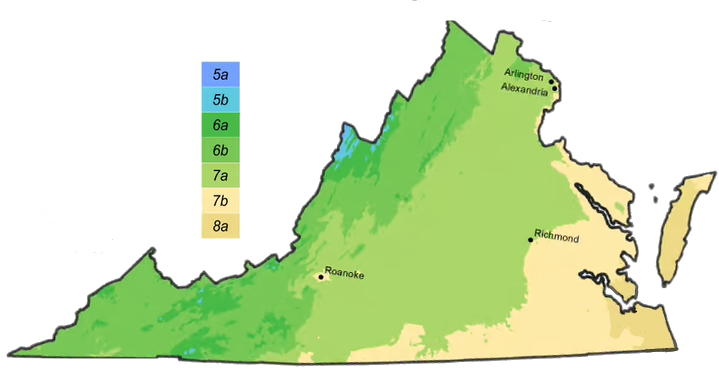
Hardiness Zone
5,
6,
7,
8
Commercially Available
Nurseries that may carry live plant:
Nurseries that may carry seeds:
My Native Garden
Put together a printable/downloadable list of plants that you have in your garden.


Additional Info
Habitat: Mesic to dry, often rocky forests and woodlands, boulder fields, and rock outcrops. Common in the Virginia mountains; infrequent in the Piedmont, where it is usually restricted to the rocky western foothills and sheltered, north-facing bluffs along streams; rare in the Coastal Plain
Wildlife Value: It is a larval host plant for the Mourning Cloak (Nymphalis antiopa), Dreamy Duskywing (Erynnis icelus) and Eastern Tiger Swallowtail (Papilo glaucus). Many moths also use as a host plant. Its seeds are eaten by birds
Flower Color
Brown/Copper
Red/burgandy
Flower Prominence
Conspicuous
Bloom Time
Spring
Fall Color
Gold/Yellow
Light Requirements
Full sun
Partial sun
Shade
Moisture Requirements
Moist
Average
Soil Texture
Clay
Sandy
Shallow rocky
Deer Resitant
Yes
Seed or Fruit eaten by wildlife?
Yes
Pollinators
Butterfiles
Top 30 for Butterfly and Moth Caterpillars?
Yes
Number of Lepidotera Species Genus Supports
284