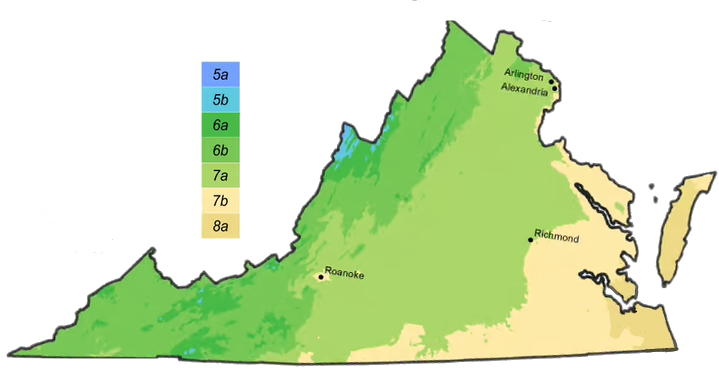
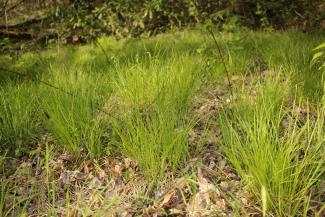
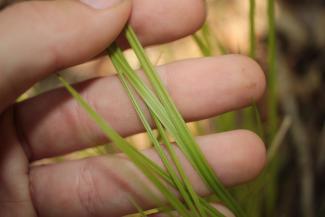
Habitat: In the Virginia mountains and Piedmont, this sedge mostly occurs in wooded seeps and seepage swamps with base-rich soils and groundwater. In the Coastal Plain, it is associated with seepage swamps influenced by calcareous shell deposits, moderately well-drained bottomlands, and hummocks of alluvial and tidal swamps
Wildlife Value: Carex sedges provide cover for many small animals. The foliage is eaten by mammals as well as Lepidoptera, particularly skippers [Hesperiidae] and satyrs [Nymphalidae: Satyrinae]. Birds and small mammals eat the seeds and use the foliage in nest-building.
High Value Generalist
Earth Sangha lists this plant as a "High Value Generalist" because it is easy to grow, occurs across a wide range of habitats and is known to be of high value to wildlife
My Native Garden
Put together a printable/downloadable list of plants that you have in your garden.