Common Name
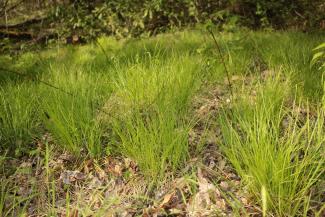
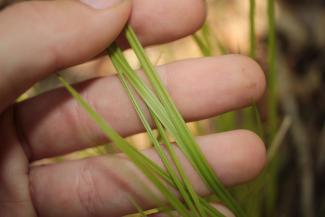
Common brome sedge
Plant Form
Grasses, Sedges & Rushes
Duration
Perennial
Max Height (ft)
3.0
Width (ft)
1.0 -
2.0
Growth Rate
Fast
Region
Coastal
Piedmont
Mountain
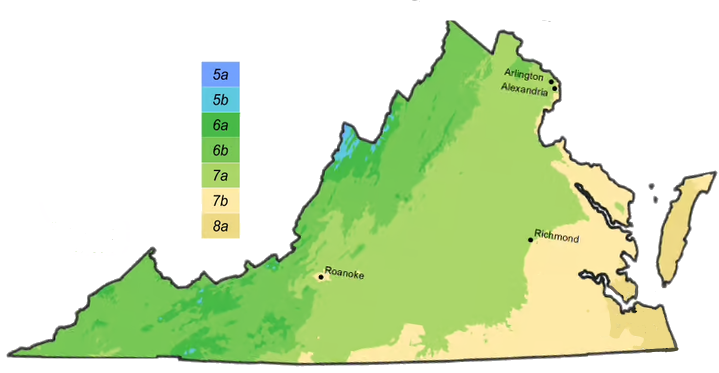
Hardiness Zone
5,
6,
7,
8,
9
My Native Garden
Put together a printable/downloadable list of plants that you have in your garden.
Additional Info
Habitat: In the Virginia mountains and Piedmont, this sedge mostly occurs in wooded seeps and seepage swamps with base-rich soils and groundwater. In the Coastal Plain, it is associated with seepage swamps influenced by calcareous shell deposits, moderately well-drained bottomlands, and hummocks of alluvial and tidal swamps
Wildlife Value: Carex sedges provide cover for many small animals. The foliage is eaten by mammals as well as Lepidoptera, particularly skippers [Hesperiidae] and satyrs [Nymphalidae: Satyrinae]. Birds and small mammals eat the seeds and use the foliage in nest-building.
Flower Color
Brown/Copper
Green
Flower Prominence
Reduced
Bloom Time
Spring
Early Summer
Bloom Month
May
June
July
Ground Cover
Yes
Light Requirements
Partial sun
Shade
Moisture Requirements
Moist
Average
Soil Texture
High organic matter
Loamy
Low Maintenance
Yes
Seed or Fruit eaten by wildlife?
Yes
Pollinators
Butterfiles