Common Name
Southern hackberry
Sugarberry
Plant Form
Large Trees
Duration
Perennial
Max Height (ft)
70.0
Width (ft)
30.0 -
60.0
Growth Rate
Fast
Region
Coastal
Piedmont
Mountain
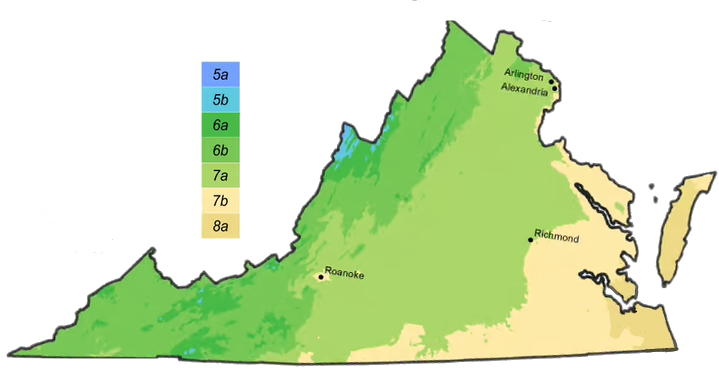
Hardiness Zone
5,
6,
7,
8,
9
Commercially Available
Nurseries that may carry live plant:
My Native Garden
Put together a printable/downloadable list of plants that you have in your garden.


Additional Info
Habitat: Bottomland forests, especially on natural levees; upland calcareous forests and woodlands, and shell middens. Considerable uncertainty exists about the range of this species in Virginia.
Wildlife Value: This is a larval host plant for several butterflies including American Snout (Libytheana carinenta), Mourning Cloak (Nymphalis antiopa), Hackberry Emperor (Asterocampa celtis), and Tawny Emperor (Asterocampa clyton) and Question Mark Butterfly (Polygonia interrogationis). Many bird species and small mammals eat the fruit
Note: Messy
Flower Color
Cream/White
Green
Flower Prominence
Reduced
Bloom Time
Spring
Bloom Month
April
May
Fall Color
Gold/Yellow
Light Requirements
Full sun
Partial sun
Moisture Requirements
Moist
Average
Soil Texture
Clay
High organic matter
Loamy
Sandy
Deer Resitant
Yes
Seed or Fruit eaten by wildlife?
Yes
Pollinators
Butterfiles