- Norway maple (Acer platanoides)
- Tree-of-heaven, Chinese sumac (Ailanthus altissima)
- Mimosa, Persian silk tree (Albizia julibrissin)
Commercially Available
My Native Garden
Put together a printable/downloadable list of plants that you have in your garden.
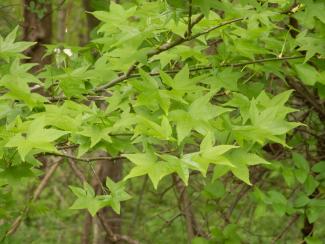
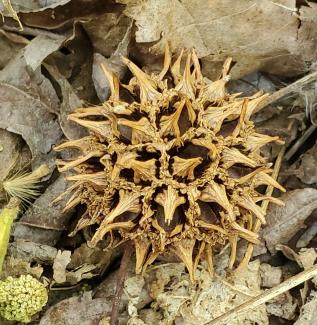
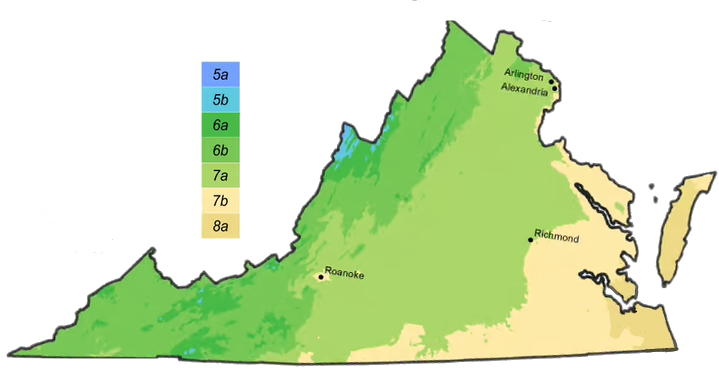
Habitat: Tidal and non-tidal swamp forests, depression ponds and swamps, wet flatwoods, floodplain forests, mesic and dry-mesic upland forests, and old fields; most abundant in and characteristic of disturbed and early-successional vegetation. Common in the Virginia Coastal Plain and outer Piedmont, becoming infrequent to rare in the inner and far northern Piedmont
Wildlife Value: This plant supports Imperial Moth (Eacles imperialis) and Hickory Horndevil (Citheronia regalis) larvae. Songbirds, like the American goldfinch eat the seeds during the winter and small birds probe inside fruits in winter for invertebrates. Beavers, mice and rabbits eat the bark
Note: Messy