- Norway maple (Acer platanoides)
- Mimosa, Persian silk tree (Albizia julibrissin)
- Callery pear, Bradford pear (Pyrus calleryana)
- Chinese elm (Ulmus parvifolia)
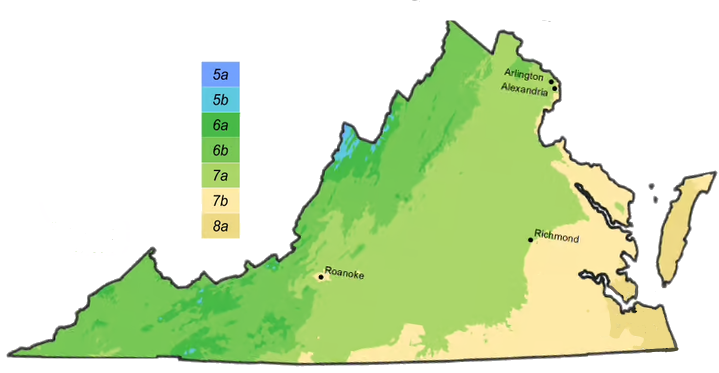
Commercially Available
My Native Garden
Put together a printable/downloadable list of plants that you have in your garden.
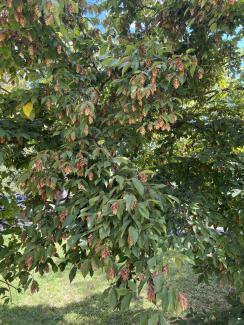
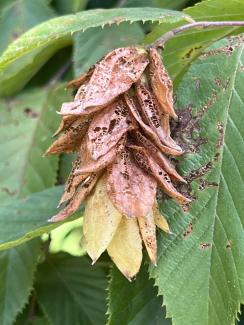
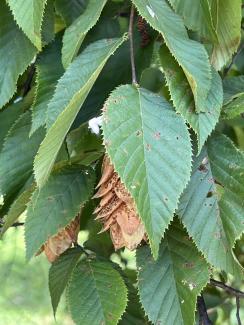
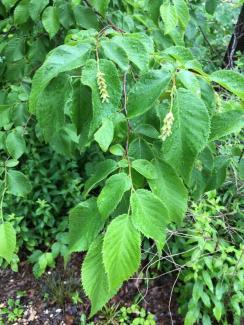
Mesic to dry upland forests, boulder fields, rocky woodlands, and maritime forests; in the mountains and Piedmont it is especially common on, but not restricted to, calcareous or mafic substrates. Common in the Virginia Possible host plant for Red-spotted Purple and Eastern Tiger Swallowtail butterflies. Nutlets are eaten by songbirds, wild turkeys, quail, and small mammals. Witches' brooms that commonly occur on this tree provide a home to many invertebrates eaten by songbirds, especially during winter.mountains; frequent in the Piedmont; infrequent in the Coastal Plain
Possible host plant for Red-spotted Purple and Eastern Tiger Swallowtail butterflies. Nutlets are eaten by songbirds, wild turkeys, quail, and small mammals. Witches' brooms that commonly occur on this tree provide a home to many invertebrates eaten by songbirds, especially during winter