Non-native plants this species can replace:
Common Name
Ninebark
Common ninebark
Eastern ninebark
Plant Form
Herbs
Duration
Perennial
Max Height (ft)
8.0
Width (ft)
4.0 -
6.0
Growth Rate
Fast
Region
Coastal
Piedmont
Mountain
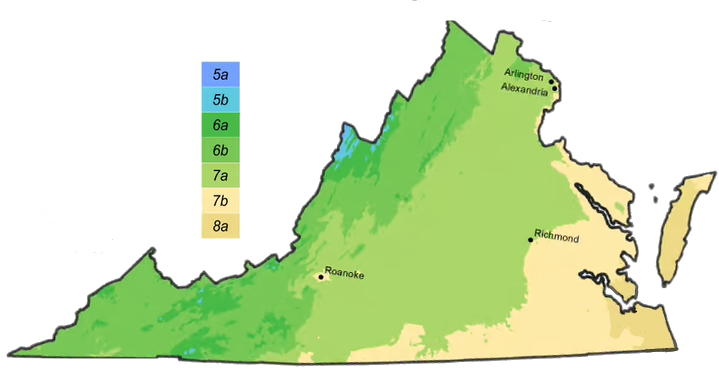
Hardiness Zone
5,
6,
7,
8
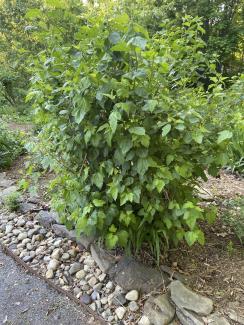
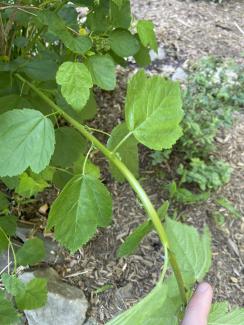
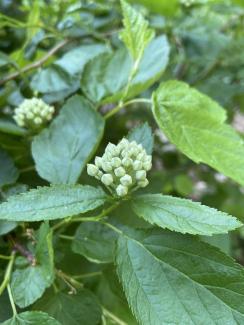
Habitat
Dry rocky open woodlands, barrens, cliffs, outcrops, rocky river shores and bars, riverside prairies, stream banks, fens, and seepage swamps. Frequent to common in the Virginia mountains; infrequent to locally common in the Piedmont; rare in the Coastal Plain
Wildlife value
Attracts birds and butterflies. Birds eat seed and use the the shrub for nesting and cover
High Value Generalist
Earth Sangha lists this plant as a "High Value Generalist" because it is easy to grow, occurs across a wide range of habitats and is known to be of high value to wildlife
Flower Color
Cream/White
Pink
Flower Prominence
Conspicuous
Bloom Time
Spring
Early Summer
Bloom Month
May
June
July
Fall Color
Brown/Copper
Gold/Yellow
Light Requirements
Full sun
Partial sun
Moisture Requirements
Moist
Average
Soil Texture
Clay
High organic matter
Sandy
Seed or Fruit eaten by wildlife?
Yes
Pollinators
Bees
Butterfiles
Tolerates
Commercially available
Yes
My Native Garden
Put together a printable/downloadable list of plants that you have in your garden.