- Norway maple (Acer platanoides)
- Sawtooth oak (Quercus acutissima)
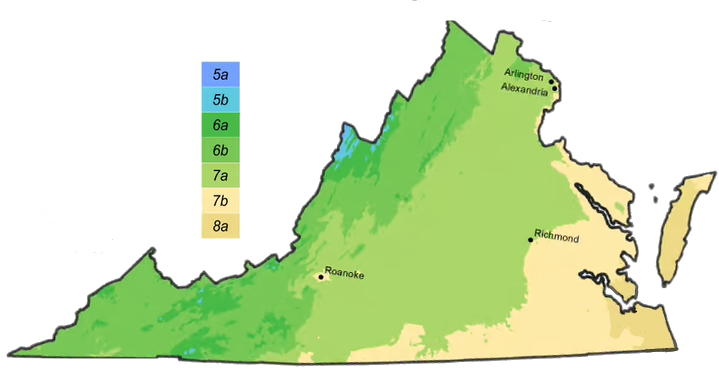
Commercially Available
My Native Garden
Put together a printable/downloadable list of plants that you have in your garden.
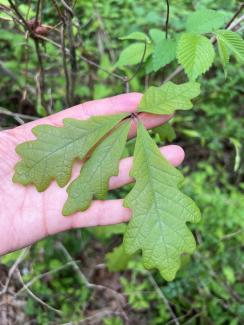
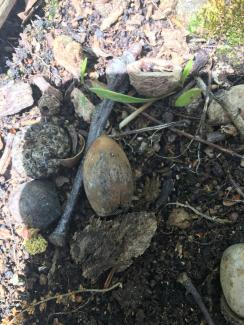
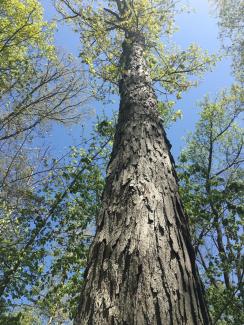
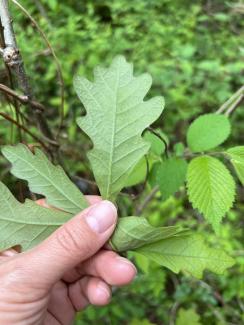
Mesic to dry upland forests and woodlands; less commonly in well-drained bottomlands, wet flatwoods, natural ponds and depression\ swamps. Common throughout; probably our most common and widespread oak
High wildlife value for food and habitat. It supports a wide variety of butterflies and moths plus small mammals and songbirds. The Acorns are eaten by woodpeckers, blue joys, small mammals, wild turkeys, white-tailed deer, and black bear and are can be eaten by people after tannins are leached or boiled out. Plant NOVA Natives lists this species as particularly popular with the non-native honeybees
This large tree, up to 100 feet tall, can live up to 600 years (though recent urban and climate conditions have been stressing them). Good yard tree with few disease or pest problems, but it needs a lot of space. This tree is included in the Homegrown National Park: Keystone Trees and Shrubs.