Non-native plants this species can replace:
- Common daylily (Hemerocallis fulva)
Common Name
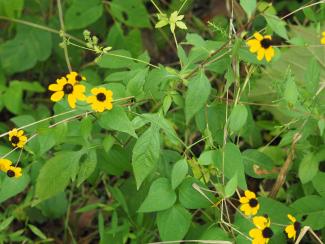
Three-lobed coneflower
Brown-eyed susan
Plant Form
Herbs
Duration
Biennial
Max Height (ft)
5.0
Region
Coastal
Piedmont
Mountain
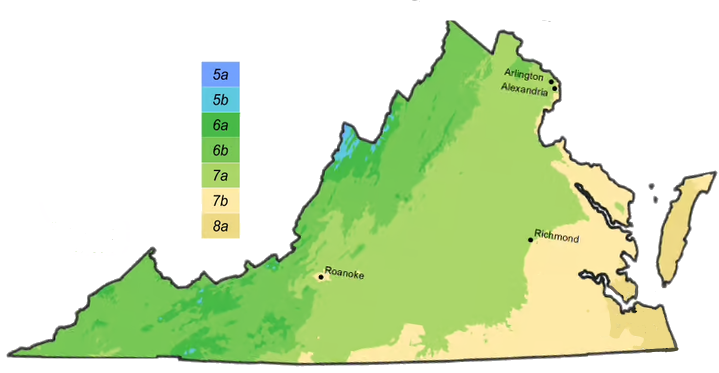
Hardiness Zone
5,
6,
7,
8
Commercially Available
Nurseries that may carry live plant:
Nurseries that may carry seeds:
My Native Garden
Put together a printable/downloadable list of plants that you have in your garden.
Additional Info
Habitat: Dry woodlands and barrens, clearings, old fields, rich disturbed floodplains, fields, and roadsides; often weedy and usually in at least moderately calcareous soil. Common in the Virginia mountains; frequent in the Piedmont; infrequent in the Coastal Plain.
Wildlife Value: Attracts bees, butterflies, and other pollinators with nectar and pollen in the blooms. This is a larval host plant for Silvery Checkerspot (Chlosyne nycteis) and Wavy-lined Emerald (Synchlora aerata) caterpillars. The adults feed on nectar from red clover, common milkweed, and dogbane. Songbirds, especially American Goldfinches, eat the seeds in the fall.
Flower Color
Brown/Copper
Gold/Yellow
Flower Prominence
Conspicuous
Bloom Time
Early Summer
Late Summer
Fall
Bloom Month
July
August
September
October
Ground Cover
Yes
Light Requirements
Full sun
Partial sun
Moisture Requirements
Moist
Average
Soil Texture
Clay
High organic matter
Loamy
Low Maintenance
Yes
Deer Resitant
Yes
Seed or Fruit eaten by wildlife?
Yes
Pollinators
Bees
Butterfiles
Number of Lepidotera Species Genus Supports
20
Top 30 for Pollen Specialist Bees?
Yes
Number of Pollen Specialist Bees that Rely on this Genus
29
Tolerates