- Porcelain-berry, Porcelainberry (Ampelopsis glandulosa)
- Oriental bittersweet, Asiatic bittersweet (Celastrus orbiculatus)
- Winter creeper, Wintercreeper (Euonymus fortunei)
- Winter honeysuckle (Lonicera fragrantissima)
- Japanese wisteria (Wisteria floribunda)
- Chinese wisteria (Wisteria sinensis)
Commercially Available
My Native Garden
Put together a printable/downloadable list of plants that you have in your garden.

Native to wet forests and stream banks of the southeastern U.S., this climbing vine has richly colored, sweetly fragrant flowers, although not as dramatic or as rampant as its Asian cousins. The Virginia Native Plant Society selected American Wisteria as Wildflower of the Year for 2021.
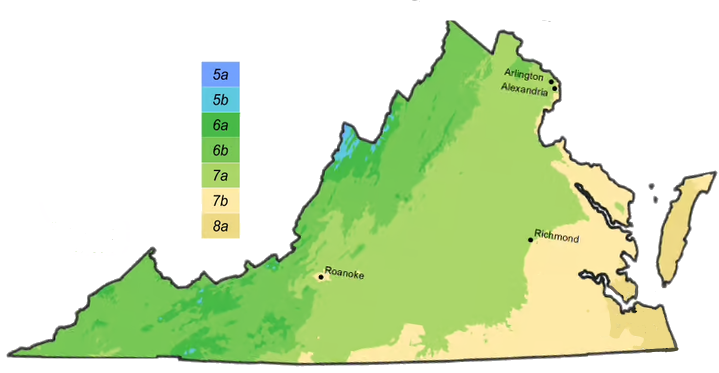
Wisteria frutescens var. frutescens (American Wisteria) is rare in the southern and central Coastal Plain and southeast Piedmont and rare as an escape throughout. The introduced Midwest native Wisteria frutescens var. macrostachya (Mississippi Wisteria) is infrequent throughout the state although it is reported in Arlington and Fairfax counties.
Host plant for Zarucco Duskywing and Long-Tailed Skipper butterflies. Butterflies nectar at the blooms
Nausea, frequent vomiting, abdominal pain depression, and diarrhea can result from eating 1 or 2 seed pods